Wednesday, March 2, 2011

New Information Linking Low Vitamin D with Allergies

Children with low vitamin D levels are nearly two-and-a-half times as likely to suffer from peanut allergies and a host of other allergies, according to a new study published this month.
 
A study of more than 3,000 children shows that low vitamin D levels are associated with increased likelihood that children will develop allergies, according to a paper published in the February 17 online edition of the Journal of Allergy and Clinical Immunology. Researchers from Albert Einstein College of Medicine of Yeshiva University headed the study.
2011-02-25 Children with allergies need more vitamin D copy

Researchers looked at the serum vitamin D levels in blood collected in 2005-2006 from a nationally representative sample of more than 3,100 children and adolescents and 3,400 adults. The samples are derived from the National Health and Nutrition Examination Survey (NHANES), a program of studies designed to assess the health and nutritional status of adults and children in the United States. The survey is unique in that it combines interviews, physical examinations and laboratory studies. One of the blood tests assessed was sensitivity to 17 different allergens by measuring levels of Immunoglobulin E (IgE), a protein made when the immune system responds to allergens.

When the resulting data was analyzed by Einstein researchers, no association between vitamin D levels and allergies was observed in adults. But for children and adolescents, low vitamin D levels correlated with sensitivity to 11 of the 17 allergens tested, including both environmental allergens (e.g., ragweed, oak, dog, cockroach) and food allergens (e.g., peanuts). For example, children who had vitamin D deficiency (defined as less than 15 nanograms of vitamin D per milliliter of blood), were 2.4 times as likely to have a peanut allergy than were children with sufficient levels of vitamin D (more than 30 nanograms of vitamin D per milliliter of blood).

The research shows only an association and does not prove that vitamin D deficiency causes allergies in children, cautioned Michal Melamed, M.D., M.H.S., assistant professor of medicine and of epidemiology & population health at Einstein and senior author of the study. Nevertheless, she said, children should certainly consume adequate amounts of the vitamin. “The latest dietary recommendations calling for children to take in 600 IU of vitamin D daily should keep them from becoming vitamin-D deficient,” she said.

However, vitamin D scientists do not all agree that 600 IU daily will get most children over 30 ng/ml, as that daily target is only designed to get vitamin D levels above 20 ng/ml. A study published by GrassrootsHealth in conjunction with Creighton University and the University of California-San Diego this week recommended daily intake of 9,600 IU of vitamin D to get almost all the population over 40 ng/ml vitamin D blood levels.

source

Thursday, February 17, 2011

Red Light Therapy to the Rescue!

You may have been seeing a lot of posts about Red Light Therapy coming to some of our Hollywood Tans salons, so we're here to give you all the info you need on this awesome new treatment!

Red light therapy is a form of heliotherapy that uses red tinted light to stimulate the body's natural defense systems and bring relief to various ailments.  When applied directly on the area of the body that is currently experiencing distress, the red light helps to activate ATP, or adenosine triphosphate, in muscle tissues releasing more energy for the body to use.

Ailments that can be soothed with the use of red light therapy include head aches, poor circulation, acne, sinus issues, and even mild depression.  It also has been known to stave off the effects of aging, including wrinkles and dry skin, by helping to produce more collagen.

The duration of red light therapy ranges from two to five minutes, depending on the nature of the ailment or issue, with repeated sessions after a short period of rest.


Hollywood Tans using Red Light therapy, or a similar variation, include Hollywood Tans Atlanta area salons, Hollywood Tans Riverside, CA, and soon Hollywood Tans of Riverdale, NJ.  Be sure to check it out!

Happy Tanning!

source

Season Premiere Day!

Mark your calendars because Hollywood Tans Season Premiere Day is coming up!  To celebrate yet another fantastic year, stop into any participating Hollywood Tans salon on March 12th and tan for free all day!  Not only is it the perfect time to try out some of our new tanning lotions, its also a great way to introduce your friends and family to Hollywood Tans!

Wednesday, February 16, 2011

New Year, New Lotions!

Hollywood Tans is rolling out the red carpet to unveil our latest (and possibly greatest) lotions!  Introducing....

Cobacabana
Days at the beach, nights in the club...with Copacabana you'll get a tan that jet-setters and club hoppers worldwide will envy.  Copacabana combines some of Hollywood Tans richest tan maximizers, bronzers, skin nourishing oils, including Argan oil, and vitamins to keep your skin looking rich and fabulously tan.  Best of all, the light tropical beach scent will leave you feeling South Beach sensational long after you tan.


Black Bamboo

Take your tan to the next level with Hollywood Tan's Black Bamboo bronzer, the perfect lotion to help you balance darkness and enlightenment.  Packed with real bamboo extract, hemp seed oil, and green tea extract, Black Bamboo delivers the most intense moisturizes and conditioners to your skin.  It has all the best tanning ingredients, rolled into one!


Chateau


Hollywood Tan's latest premium dark tanning lotion will give you the most exclusive Hollywood tan, with a surprisingly cool feel.  Chateau is loaded with five advanced bronzing technologies and our added Alpine Chill, a super invigorating coolant.  With Chateau, you get all the results you want without sacrificing any comfort.  Get a great tan with a lotion that is as cool and fresh as the Alps in springtime, while being as sexy and glamorous has Hollywood's favorite hotspot!


Rodeo Drive

Hollywood Tans wants to let you in on the glamorous secret of Hollywood's top stars and designers alike: there's no better accessory than a gorgeous, rich tan.  Packed with a blend of 5 premium bronzers, 2 body blushes, luxurious moisturizers, special FragranceFresh technology, plus anti-aging and firming properties, you'll love the experience and the results of tanning via Rodeo.  With Hollywood Tan's Rodeo Drive lotion, you're sure to look Beverly Hills ready any time, any place!


Try these four awesome new Hollywood Tans lotions in salons today!

Monday, February 14, 2011

Gisele Says Down With Chemical Sunscreen!

Internationally known super model Gisele Bundchen has made quite a stir with her latest comments concerning chemical sunscreen.

"I cannot put this poison on my skin," the 30-year-old said.  "I do not use anything synthetic."

Although some people may criticize the leggy Brazilian model's anti-chemical obsession, there is actually a lot of truth in Bundchen comments.


While the sunscreen industries are quick to tell you to layer on copious amounts of sunscreen every day, especially any time you come in contact with the sun, that may not be such a great idea.  When you liberally apply sunscreen to your skin, the chemicals in sunscreen actually absorb into your blood stream.  Some of the chemicals found in sunscreen are not ones you want to be putting on your body on a daily basis, including estrogenic toxins and chemicals that generate harmful free radicals.

"Organic chemists have been long aware of the dangers of compounds in chemical sunscreens. Such chemicals are widely used to start free radical reactions during chemical synthesis. These chemicals are the dangerous types that one carefully keeps away from your skin while working in a laboratory. To use them, you mix them into a combination of other chemicals, then flash the mixture with an ultraviolet light. The ultraviolet absorbing chemicals then generate copious amounts of free radicals that initiate the desired chemical reactions."

"Benzophenone (and similar compounds) is one of the most powerful free radical generators known. It is used in industrial processes as a free radical generator to initiate chemical reactions. Benzophenone is activated by ultraviolet light energy that breaks benzophenone's double bond to produce two free radical sites. The free radicals then react with other molecules and produce damage to the fats, proteins, and DNA of the cells - the types of damage that produce skin aging and the development of cancer."

"This may be a factor in the large increases in cancer (breast, uterine, colon, prostate) observed in regions, such as Northern Australia, where the use of sunscreen chemicals has been heavily promoted by medical groups and the local governments.  Many sunscreens also contain triethanolamine, a compound that can cause the formation of cancer causing nitrosamines in products by combining with nitrite used as preservative and often not disclosed on sunscreen labels."

While it may seem strange that something marketed to prevent any skin damage by doctors and skin care professionals could actually be quite harmful, it's important to consider events of the past, in which serious errors were made by doctors through public promotions by the health care pros.

In 1927, physicians endorsed smoking Lucky Strike cigarettes, saying it was a healthy activity.  And in the 40s and 50s, thousands of prominent surgeons were used in national cigarette ads, assuring the public about the safety of smoking cigarettes.  And in the 60s and 70s, physicians promoted diets high in partially hydrogenated fatty acids, like those found in margarine and safflower oil, saying that they would help reduce heart disease.  While long term studies may have supported their claims of a decrease in heart disease, the effects of this sponsorship produced accelerated aging and increased the total death rate and the cancer rate.

Unfortunately, history stands to prove that not everything doctors endorse or support is true; in fact it seems that when there is a product with money backing it, there are doctors who are willing to support it.

So while some of Miss Bundchen's fears about toxic elements may be a little over the top, it is important to consider what it is you're actually putting on your body.

source
source

Friday, February 4, 2011

Tanning for Weight Loss?

When I first heard about tanning promoting weight loss, I did not believe it!  But after doing some research, I'm starting to like what I've learned.  Check it out!


As we all know, tanning supplies your body with your daily dose of vitamin D.  Not only does raising your vitamin D level help ward of illnesses like rickets and diabetes, achieving the optimal range of 50ng/ml to 80ng/ml of D will greatly assist you in maintaining a healthy body weight.  Fat cells actually have vitamin D receptors, and when your body has enough vitamin D these receptors are activated and assist your fat cells in burning more calories.  As if thats not cool enough, it also helps in releasing something called leptin.  Leptin is an appetite suppressing hormone that is released once you've had enough food to eat.  When your vitamin D levels are too low, the release of leptin is greatly inhibited and can leave you eating more than you need to.    

Not only that, according to a study in the Journal of Clinical Endocrinology and Metabolism, for every 1ng/ml increase of Vitamin D in the blood of those who previously had insufficient levels, an additional half pound of body fat was lost (when combined with portion control and exercise of course!).  So basically the study shows that for people trying to lose weight who are also low in vitamin D, raising your levels in D will assist you in losing more weight than if you were just practicing portion control and exercising alone.  Pretty cool huh?!

Food sources of vitamin D include salmon, milk, eggs, and some fortified cereals, however to get your daily dose of vitamin D would require eating up to 19 oz of salmon or 42 oz of milk a day, which may be more calories then are conducive for weight loss.  

But don't worry, solarium tanning can easily satisfy your daily dose of vitamin D, in as little as 5 minutes a day!  So stop into Hollywood Tans today to get your vitamin D and a gorgeous glow!    


Tanning Rules To Live By!

For all tanners, new and experienced alike, here are the three main rules to always follow when tanning!

1.  Say no to dry tanning!
When tanning, it is essential to always, always use a great designer tanning lotion.  Liberally applying tanning lotion before using a solarium booth ensures that your skin will stay hydrated and soft, plus it will tan more effectively.  Tanning lotions are specially designed with ingredients that maximize how much color you get with every tanning session.  Plus, Hollywood Tans tanning lotions are often fortified with fun extras, like anti-agers or firming agents.  Dry tanning on the other hand, dries out your skin, making it rough and flaky, which actually lessens the life of your tan.
Not sure what kind of tanning lotion to use?  Don't hesitate to ask your local salon professionals, who can help you break down what each lotion is formulated to do, and which ones are best for your unique skin.

2.  Love your eyes!
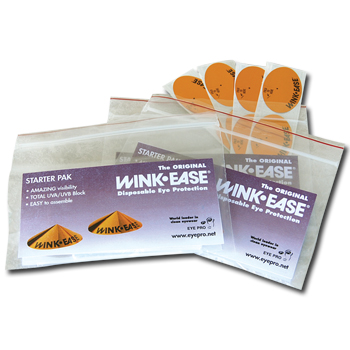
Never, ever tan without some sort of tanning eyewear.  Believe it or not, shutting your eyes while tanning will not protect them from the light.  Hollywood Tans offers two great options for eye protection, "Podz" and "Winkease".

Podz are awesome re-usable goggles that come in a portable key chain pod and cost about $4 each.  They're really comfortable and I definitely recommend them for frequent tanners.  Just be sure to wash them at least once a week.  


Wink Ease are one time, easy to use stickers that fit right over your eyes and protect them from the sun.  They range in price from around $.50 to $1 and are super convenient for those annoying times when you forget your Podz!

3.  The Dreaded 24hr Rule
While it sometimes seems silly or inconvenient, it's crucial that you wait a full 24 hours before tanning again.  And it's not just a Hollywood Tans rule; the 24hr rule is actually something tanning salons are legally bound to follow.